
Bini Birdies

Zonnebloem Playground Co-design
Client : Otto Foundation
Where : Zonnebloem College Estate


Getting to know the Playground
Research and Observation


First Playground Intervention
Play Barn Build
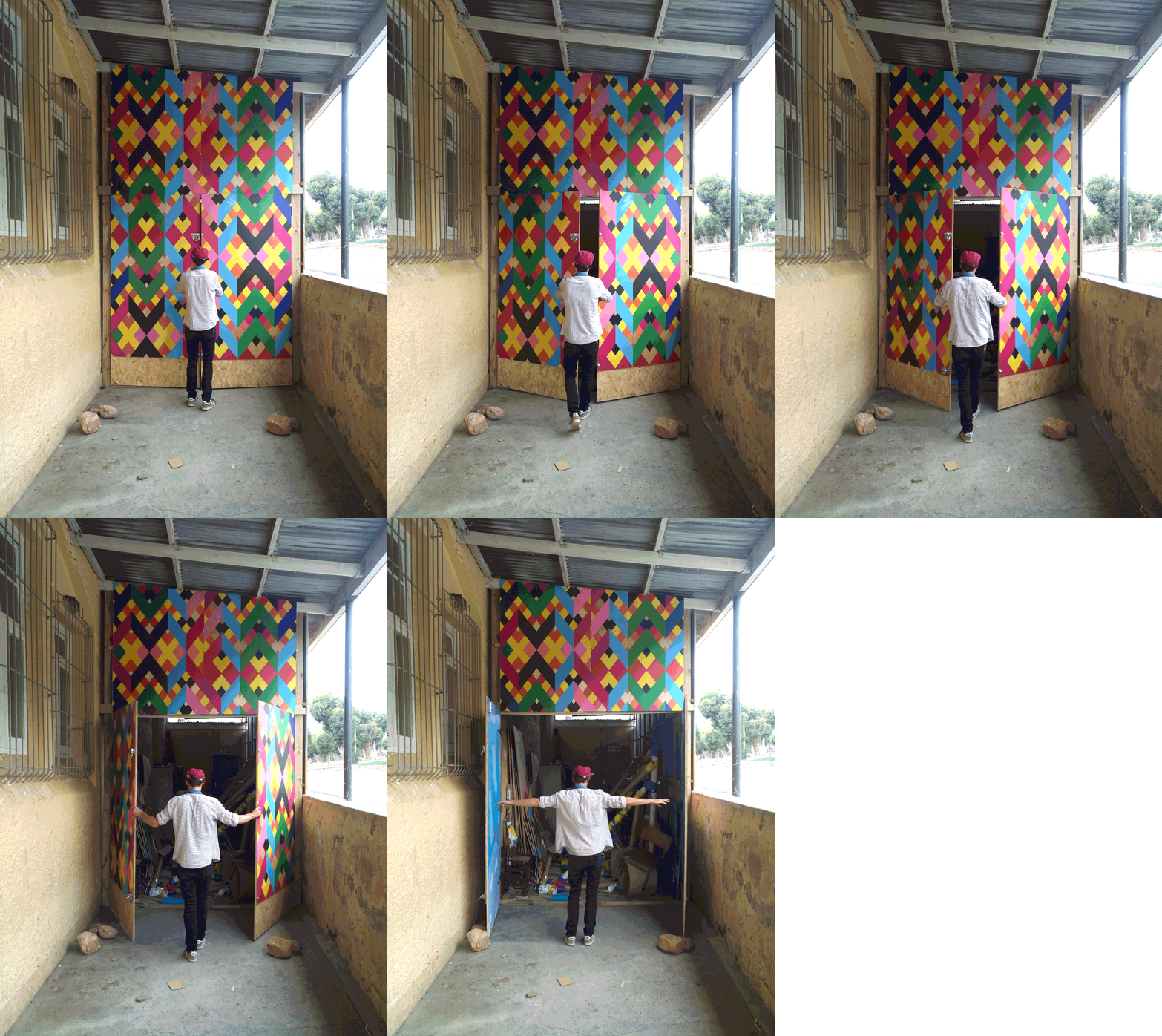
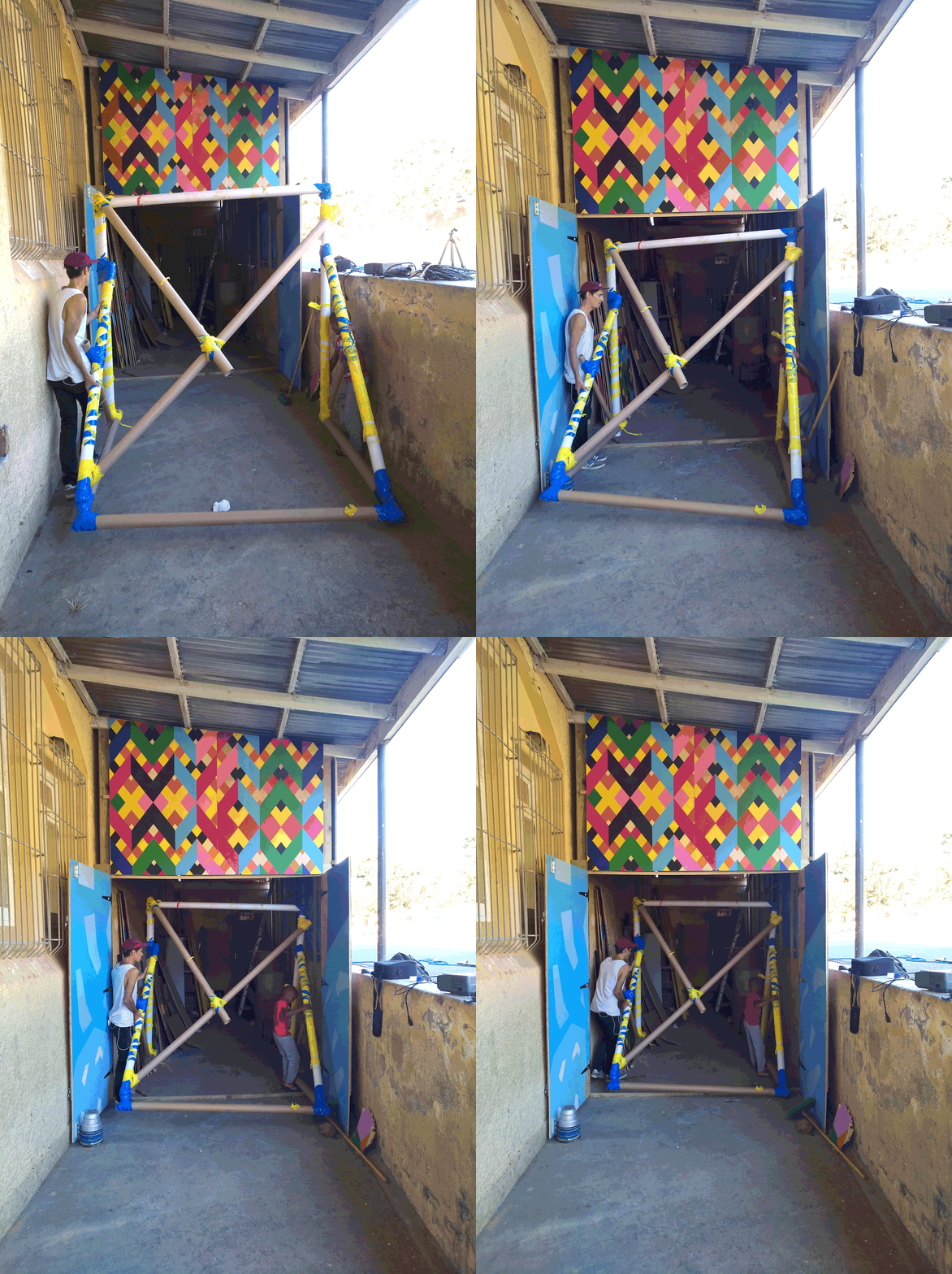
The Play Barn was a space filled with prototyping tools and materials and a meeting space to share content with the children of Zonnebloem to help co-designed redesign their playground.





Testing Loose Part Play
What will happen if you give children access to loose parts, tools and materials on the playground?
Why Consider Loose Part Play?
"Loose parts aren’t prescriptive and offer limitless possibilities. A stick, for example, may become a fishing rod near real or imaginary water, a spurtle in a mud kitchen, a tool to nudge a football that is stuck in a tree; it can be thrown, floated, snapped, pinged, bent, hidden, added to a pile, burnt, tied to something else, split, catapulted or discarded. Static, unchanging play spaces do little for children whereas environments which can be manipulated, where things move and can be moved open worlds of possibility.
At a beach, for example, there is an abundance of water, sand, stones, rocks, smells, sights, vistas and textures which enable children to be highly inventive and creative in their play.
Natural environments such as mature woodland or beaches often provide significantly more loose parts with higher levels of affordance than many artificial play spaces such an asphalt school playground or a tidy urban park." (Loose Parts Play : A toolkit by T Casey & J Robertson)
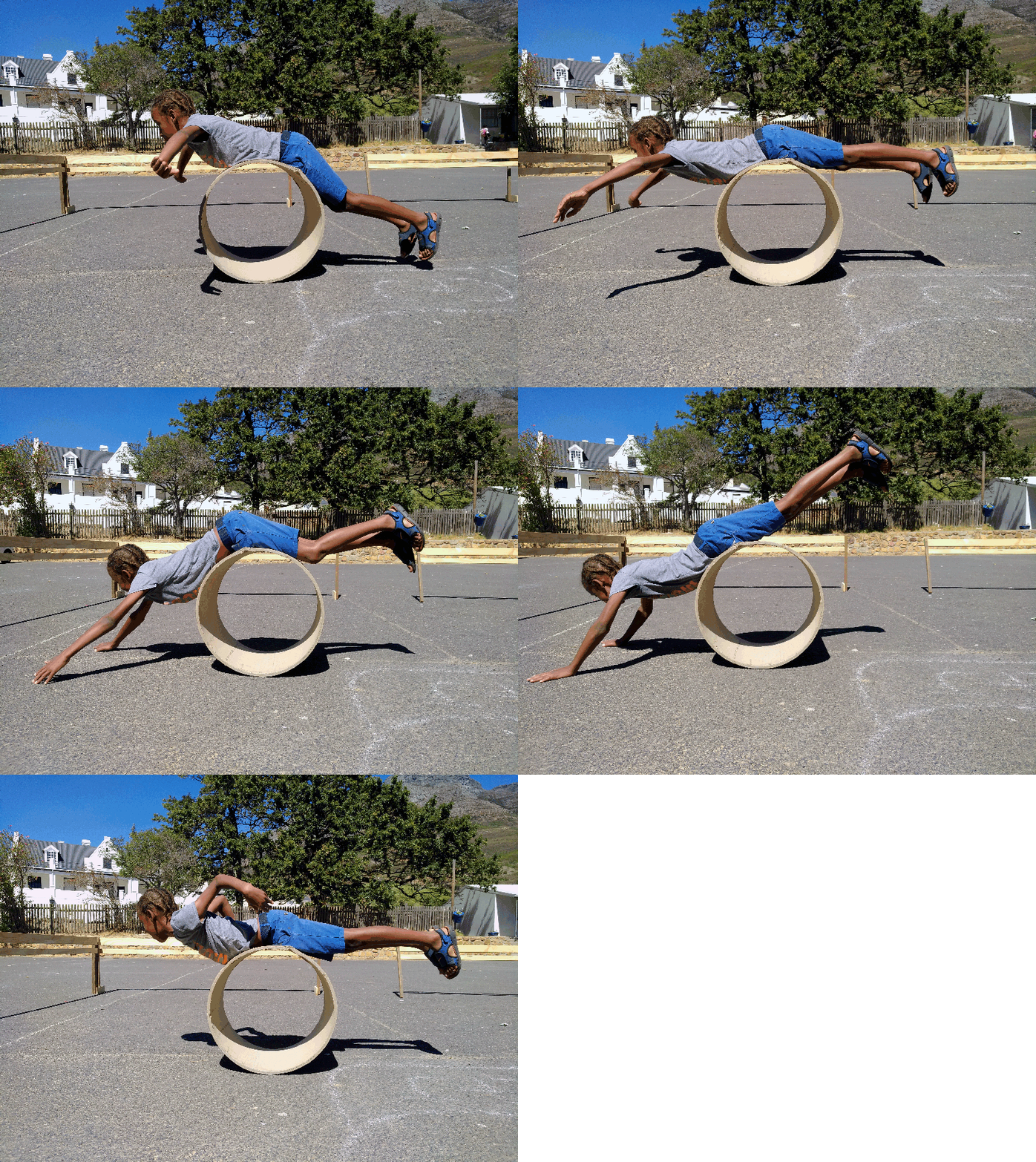


Prototyping Playground Games
Cardboard Games Day


Implementing Floor Games


